Surface Coating Techniques for Bolts: Boosting Durability and Efficiency
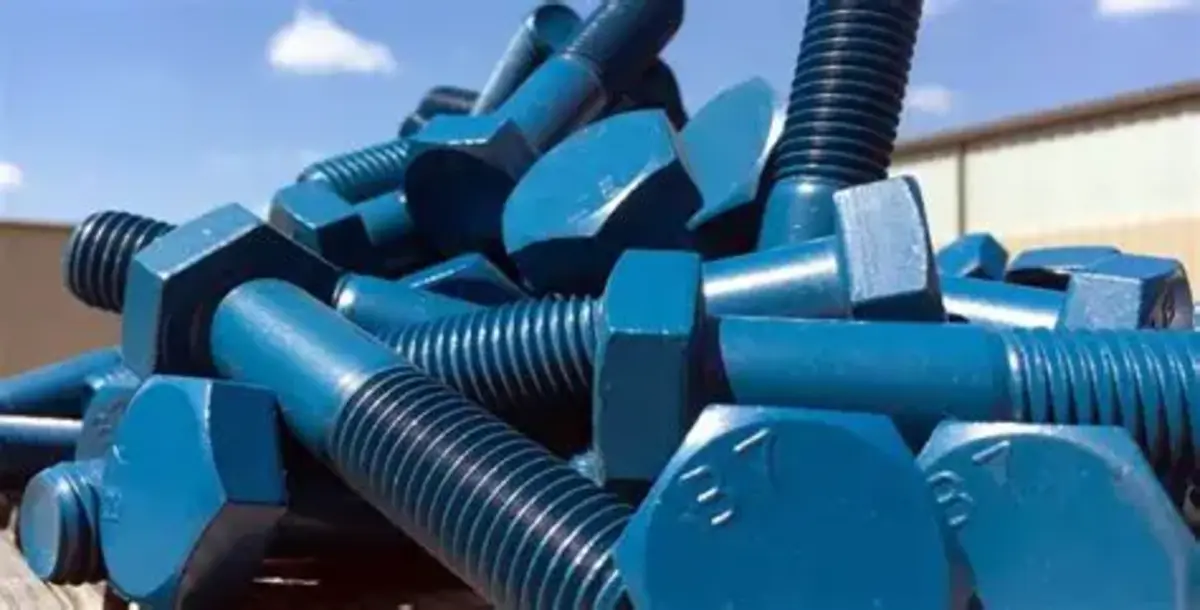
Surface Coating Techniques for Bolts: Boosting Durability and Efficiency - Bolts may seem simple, but in demanding applications they face heat, friction, moisture, vibration, and corrosive environments that can shorten their life. This is why surface treatments matter. Modern Coating Techniques for Bolts do more than protect against rust. They improve performance, reduce maintenance cycles, and support higher operational efficiency across construction, energy, manufacturing, transportation, and heavy engineering.
This article by baut mur: https://tokohasil.com, provides a clear overview of today’s most effective coating methods, how they work, and what makes each one suitable for specific sectors.
Why Bolt Coatings Matter
Uncoated or poorly coated fasteners are exposed to wear and corrosive attack from the moment they are installed. Over time, this leads to seized threads, reduced clamping force, and premature failure. The right coating solves these issues by adding a controlled protective layer that improves:
Corrosion resistance
Lubricity and torque accuracy
Abrasion resistance
Chemical resistance
Aesthetic uniformity
For industries operating in harsh conditions, investing in proper coatings is far more efficient than dealing with repair downtime or fastener replacement.
Hot Dip Galvanizing
Hot dip galvanizing is one of the most trusted Coating Techniques for Bolts in large-scale infrastructure and outdoor applications. Bolts are immersed in molten zinc, forming a thick, metallurgically bonded zinc-iron alloy layer.
Key Strengths
Excellent long-term corrosion resistance
Thick coating suitable for marine, industrial, and exposed environments
Strong mechanical adhesion
Typical Applications
Highways, bridges, transmission towers, and industrial plants.
Considerations
The coating thickness can affect thread tolerances, so galvanization works best with fasteners designed and sized specifically for the process.
Electroplating
Electroplating applies a thinner metallic layer through electrical deposition. Zinc, nickel, and chrome are the most common materials.
Key Strengths
Uniform finish
Good appearance for visible assemblies
Controlled thin coatings suitable for precision threads
Typical Applications
Automotive, light machinery, electronics housings, and consumer products.
Considerations
Electroplated layers do not match the corrosion resistance of thicker coatings unless combined with passivation or sealants.
Mechanical Plating
Mechanical plating uses tumbling and impact action to bond metal powder, usually zinc or a zinc alloy, to the bolt surface.
Key Strengths
No hydrogen embrittlement risk
Suitable for high-strength fasteners
Good uniform coverage
Typical Applications
High-tensile bolts, aerospace hardware, and critical structural components.
Considerations
Although corrosion resistance is strong, mechanical plating still benefits from added topcoats or sealers.
Zinc Flake Coatings
Zinc flake systems have become a leading choice for industries needing the perfect balance of corrosion protection and torque control. These coatings use zinc-aluminum flakes in an inorganic binder, applied via dipping or spraying.
Key Strengths
Outstanding corrosion resistance
Thin coating ideal for threaded components
Superior chemical resistance
Stable friction coefficients for controlled tightening
Typical Applications
Automotive assembly, wind energy, heavy machinery, and marine hardware.
Considerations
Professional application is crucial to ensure consistent thickness and curing quality.
Phosphate Coating
Phosphate coatings create a microcrystalline layer that improves lubricity and forms a good base for oils or additional topcoats.
Key Strengths
Reduced friction during installation
Strong adhesion for subsequent coatings
Cost-effective for high-volume production
Typical Applications
Automotive engines, industrial machinery, and general manufacturing.
Considerations
Phosphate alone does not provide long-term corrosion protection. It must be paired with oil or paint.
Powder Coating
Powder coating creates a durable, decorative finish using electrostatic application and heat curing.
Key Strengths
Impact resistance
Wide color range
Environmentally friendly process
Typical Applications
Architectural assemblies, consumer products, equipment housings, and outdoor hardware.
Considerations
Powder coatings provide surface durability but are not enough on their own for corrosion-critical applications. They are often used as a topcoat over zinc plating.
PTFE and Other Fluoropolymer Coatings
Fluoropolymer coatings, such as PTFE, offer slick, low-friction surfaces ideal for high-temperature or chemically aggressive environments.
Key Strengths
Exceptional lubricity
Chemical and heat resistance
Reduced galling and seizure
Typical Applications
Oil and gas, petrochemical plants, food processing equipment, and pharmaceutical machinery.
Considerations
Fluoropolymer layers are thin, so corrosion protection depends on whether they are paired with a zinc base layer.
Choosing the Right Coating Technique
Selecting the best coating depends on the specific demands of the application. Key factors include:
Environmental exposure
Load and vibration levels
Chemical contact
Required service life
Thread precision
Regulatory standards
For long-term outdoor use, hot dip galvanizing or zinc flake coatings deliver top performance. For precision assemblies, electroplating or PTFE systems offer stable torque characteristics. For high-strength bolts, mechanical plating avoids embrittlement while maintaining protection.
Final Thoughts
Modern Coating Techniques for Bolts allow industries to push performance higher while controlling long-term costs. Whether the goal is corrosion resistance, smoother installation, or improved thread integrity, the right coating is a practical investment that pays off through reliability and efficiency. As industries demand more durable and predictable fastening solutions, advanced coatings will continue to shape how bolts perform in the field.
More Info Visit website: https://tokohasil.com - best industries bolts and nuts Indonesia.